The Most Common Injuries in Warehouse and Logistics Work
Warehouse and distribution center injuries follow predictable patterns. The physical demands of the work, combined with time pressure, heavy equipment, and high-volume operations, create specific injury profiles that California workers’ comp attorneys see regularly.
Back and Spine Injuries from Repetitive Heavy Lifting
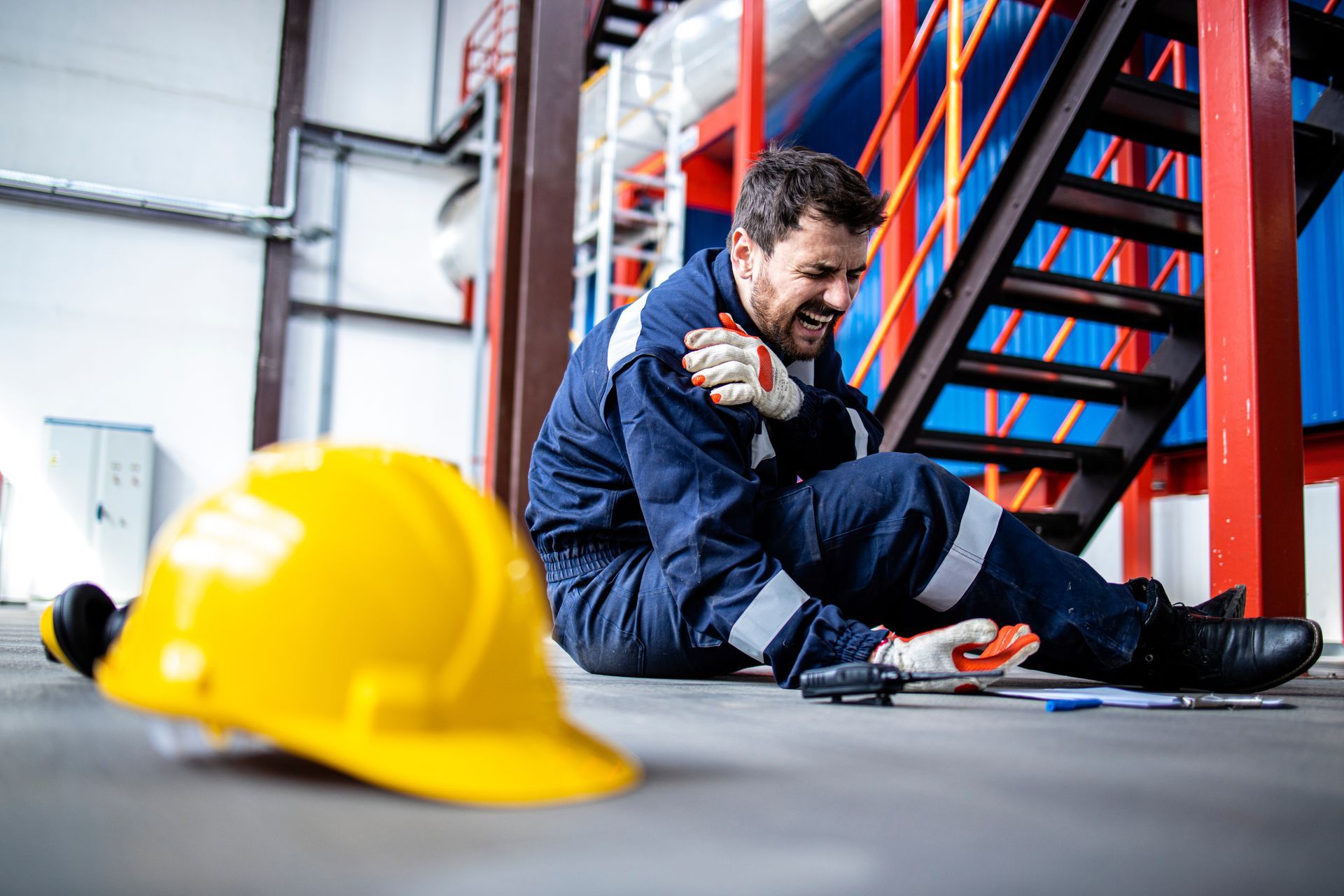
Lifting, carrying, and repositioning heavy freight — manually and with equipment — is the single largest driver of workers’ comp claims in this sector. Cumulative lower back injuries, herniated discs, and lumbar strain develop over months or years of repeated loading and unloading. Insurance carriers frequently dispute these claims by arguing the condition is pre-existing or degenerative rather than work-related. An attorney builds the occupational history evidence needed to establish the work connection and counter this defense.
Forklift and Powered Industrial Truck Accidents
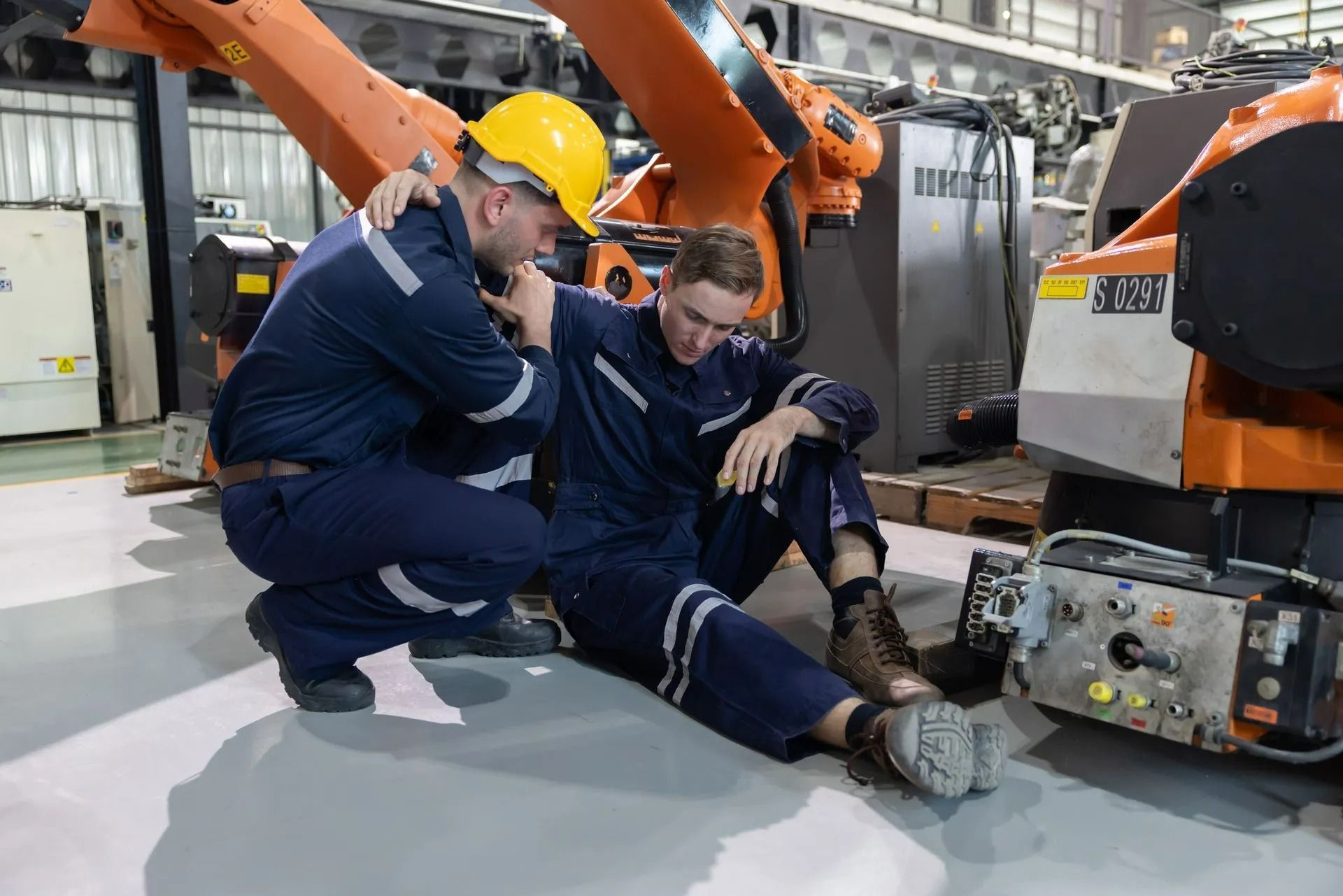
Forklift accidents are among the most serious and frequently fatal incidents in warehouse environments. Collisions, tip-overs, and pedestrian strikes cause crush injuries, amputations, traumatic brain injuries, and fatalities. Claims involving forklift accidents often trigger OSHA investigations and may involve third-party liability if the equipment was defective or improperly maintained — creating a workers’ comp claim alongside a potential civil action.
Loading Dock and Falling Object Injuries
Loading docks are among the most dangerous locations in any distribution facility. Falls from dock edges, injuries from dock plates and levelers, and being struck by freight falling from shelving or pallets are all common. These incidents frequently happen at speed, during peak operational periods, when safety protocols are most likely to be ignored.
Repetitive Motion and Cumulative Trauma
Picking, scanning, sorting, and packing operations require workers to perform the same motions thousands of times per shift. Carpal tunnel syndrome, tendinitis, rotator cuff injuries, and knee damage develop gradually in these roles and are often dismissed by employers as personal health issues rather than occupational injuries. California’s workers’ comp system covers cumulative trauma injuries — but building the medical record that establishes work-relatedness requires experienced legal guidance.
Why Southeast LA Warehouse Claims Are More Complex Than They Look
Warehouse and logistics employers in the Alameda Corridor tend to be large, well-capitalized operations — national e-commerce fulfillment centers, major food distributors, freight forwarding companies, and port logistics contractors. Many are self-insured or carry sophisticated insurance programs with in-house adjusters and defense counsel whose job is to minimize your payout.
- Large employers delay claims longer and dispute medical treatment more aggressively than smaller operations.
- Many warehouse workers in Southeast LA are employed through staffing agencies — which creates questions about which entity is the employer of record for workers’ comp purposes. An attorney identifies all potentially responsible parties.
- Independent contractor misclassification is common in last-mile delivery and logistics — if you were told you are an independent contractor but functioned as an employee, you may still be entitled to workers’ comp coverage.
- Wage calculation errors are frequent — warehouse workers often have variable pay structures including overtime, shift differentials, and piece rates, and your temporary disability benefit rate depends on your average weekly wage being calculated correctly.
Which WCAB Office Handles Warehouse Workers’ Comp Claims in Southeast LA?
Most workers’ compensation cases from the Southeast Los Angeles warehouse corridor — including Lynwood, Paramount, South Gate, and Compton — are handled by the Long Beach WCAB district office at 300 Oceangate, Long Beach, CA 90802. This office serves the region and has its own assigned judges, hearing calendars, and procedural norms. The Law Offices of Reuben J. Felstiner has appeared before the Long Beach WCAB in hundreds of cases over more than 30 years and manages every hearing appearance on behalf of our clients.
We Represent Warehouse and Logistics Workers Across Southeast LA
The Law Offices of Reuben J. Felstiner represents injured workers throughout the Southeast Los Angeles industrial corridor. If you were hurt at a warehouse or distribution facility in
Lynwood,
Paramount, or
South Gate, we know the employers, the insurers, and the WCAB procedures that govern your claim. For a full overview of the California workers’ compensation process, visit our
workers’ compensation practice page.